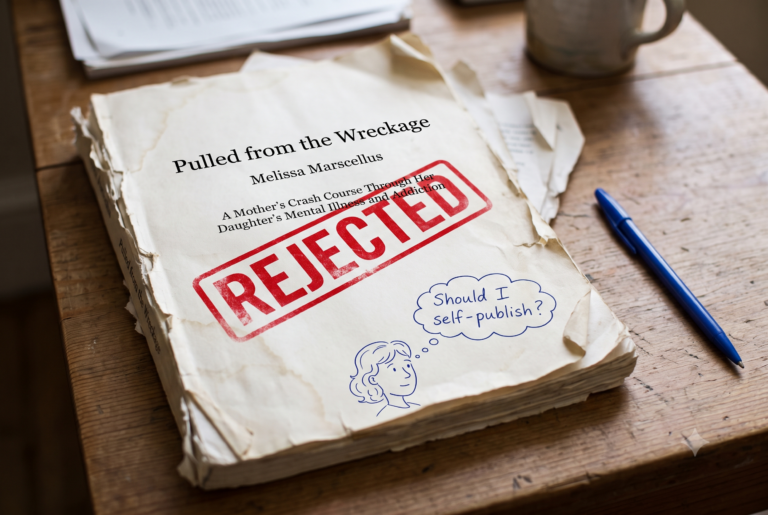
Handing over my book baby, Pulled From the Wreckage, to an editor was a little frightening at first, but it was thrilling at the same time. Someone other than my family was actually going to read my book. In my last article, I explained the different types of book editing and how I chose my editor. So, what was it like to actually work with an editor?
First, I explained what I was looking for in terms of editing, which was feedback on the overall structure, pacing, and clarity as well as help trimming my word count. I decided on a developmental package that included line and copy editing. After negotiating the payment amount and schedule, my editor sent me an Author and Editor agreement. It outlined the terms of the project including a due date for the first round of edits to be completed. She also sent me an invoice, and I agreed to pay half upfront and the second half after the final round of edits.
My editor requested my manuscript as a double-spaced Word document in 12-point Times New Roman with one-inch margins. She planned to use Word’s comments and tracking features to make her edits.
A month later, she returned my manuscript which contained in-line edits and notes in the margin. She also sent me an editorial letter which she suggested I read first. The gist of her feedback was that my manuscript was already well-polished. She said that her notes were not nearly as robust as they normally were and her initial line and copy-editing suggestions were even slim compared to most manuscripts. While I was ecstatic to hear this, I also wondered, Did I waste my money on editing I didn’t need?
Not necessarily. Though she said the story was riveting and never dragged, my editor helped me trim unnecessary words and phrases to keep the word count manageable. She also posed questions a reader might ask and pointed out areas that were confusing and needed clarification.
She told me to keep in mind that many of her notes and suggestions were subjective and to take or leave them as I saw fit. As I read through my manuscript, I gave a lot of thought to her changes before accepting or rejecting them. Some I accepted with a simple click, but I took more time to reflect on others I wasn’t sure I agreed with. If you’re working with an editor and disagree with a change, I suggest sitting with it for a while or moving on and coming back to it later. If it still doesn’t feel right, go ahead and click that reject button.
After taking about three weeks to finish my revisions per my editor’s suggestions, I sent my manuscript back for her final round of editing. Two weeks later, she returned it to me with more in-line edits, eliminating more words, phrases, or sentences that were either redundant, already implied, or not necessary to move the story forward. She also sent me what’s called a clean copy if I were to accept all her changes. Because I like to be more hands on, I went through and either accepted or rejected her changes again.
All in all, the editing process took about two months. My takeaways? If I were to change anything, I probably would have chosen line and copy editing rather than a full developmental edit since my overall structure was solid. I could have saved a lot of money if I had been confident in my writing. My advice to you is to be honest with yourself about what your manuscript really needs. If you feel called to write and believe that writing is your purpose, trust in your writing talent and your ability to know what it needs.
Next Up: Legal review: When you’re publishing a memoir, it’s a good idea to have an attorney look it over to reduce your risk of litigation.